Tel: 0129-4001010 Phone: +91 730 321 5033
Email: cs@absoluteveritas.com

BIS Certification For Polyethylene (PE) Material for Moulding and Extrusion IS 7328 : 2026
In today's competitive landscape, maintaining market presence without a certified, high-quality product can be challenging. Obtaining a BIS license may also be essential for selling products in the Indian market. To achieve BIS certification and ensure product quality, manufacturers must adhere to the specified Indian standards.
Let's delve deeper into IS 7328 : 2026 For Polyethylene (PE) Material for Moulding and Extrusion — Specification. The Bureau of Indian Standards has established this Third Revision on 21 July 2026, replacing IS 7328 : 2020 (Second Revision) as well as IS 10146 – 1982, the earlier separate specification for polyethylene's safe use in contact with foodstuffs, pharmaceuticals, and drinking water. Both earlier standards will continue to remain valid alongside the new standard until 21 January 2027.
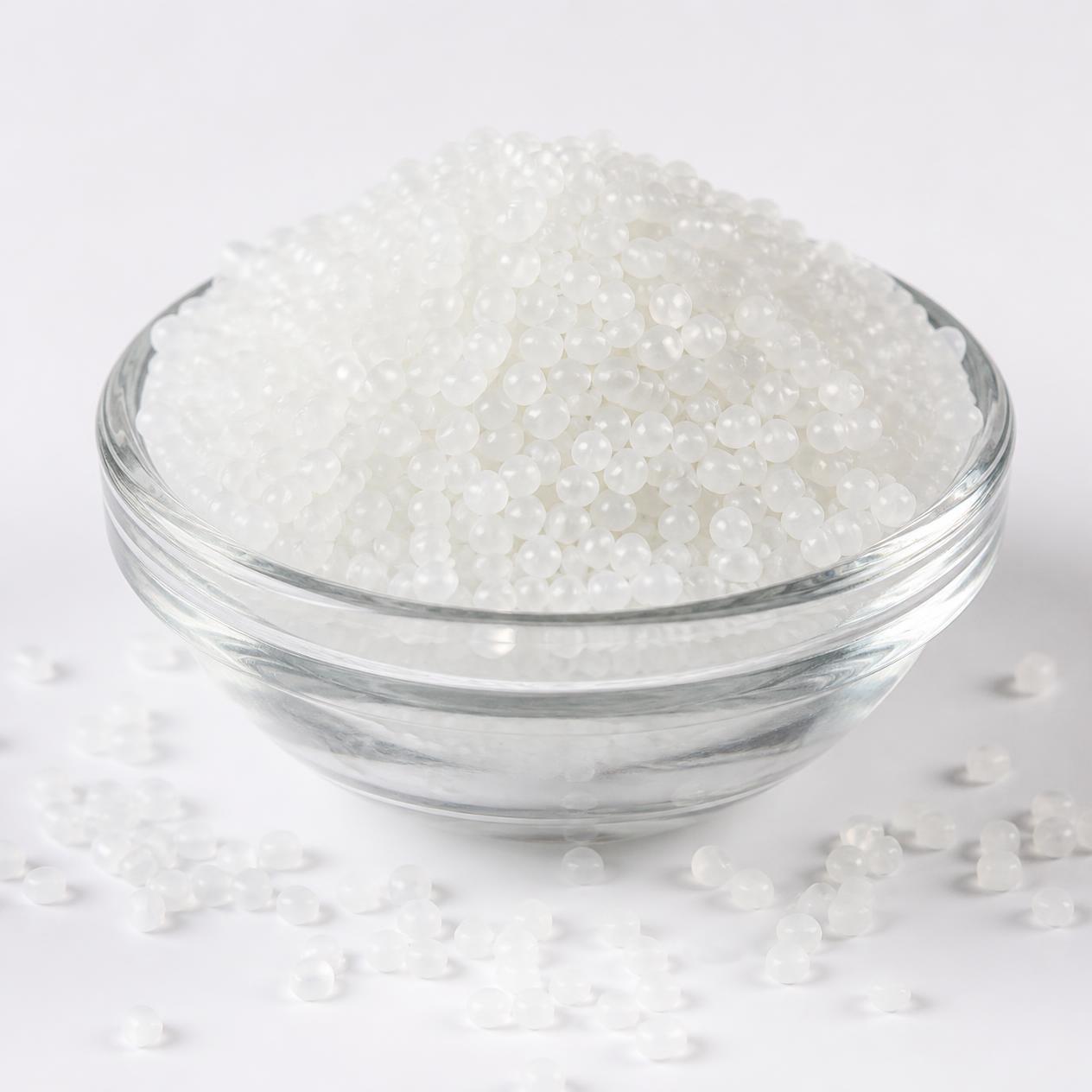
Polyethylene material covered under this standard includes Low Density Polyethylene (LDPE), Linear Low-Density Polyethylene (LLDPE), and High Density Polyethylene (HDPE), supplied as granules, pellets, or powder ready for moulding and extrusion into packaging, pipes, films, and moulded components. With this revision, the requirements for safe use in contact with foodstuffs, pharmaceuticals, and drinking water — previously covered separately under IS 10146 — have now been folded into the main specification. Testing of melt flow, tensile strength, impact resistance, and food-contact safety parameters is essential to ensure the material performs reliably across its end uses. Manufacturers seeking BIS certification should adhere to this standard to enhance consumer confidence in product safety. Stay informed about these essential standards!
KEY HIGHLIGHTS
| Product Name | Polyethylene (PE) Material for Moulding and Extrusion (LDPE, LLDPE, HDPE) |
| Applicable Indian Standard | IS 7328 : 2026 — Polyethylene (PE) Material for Moulding and Extrusion — Specification (Third Revision) |
| Applicable Certification Scheme | Product Certification Scheme (ISI Mark Scheme) Scheme 1 - Schedule 2 |
| Compliance Requirement | Mandatory |
| QCO Link | Quality Control Order |
Benefits of Obtaining ISI Mark for Polyethylene Material for Moulding and Extrusion
Here are the key benefits of getting ISI Mark certification:
-
Government Quality Assurance: The ISI mark indicates that a product meets the quality standards established by the government, ensuring compliance and reliability.
-
Mandatory Compliance: It is mandatory for Polyethylene Material for Moulding and Extrusion to obtain the ISI Mark. Non-compliance can result in penalties, including material seizure and substantial fines.
-
Enhanced Market Competitiveness: Achieving certification significantly enhances your product's chances of success in the competitive market.
-
Consumer Trust: Downstream manufacturers are more likely to purchase ISI-certified polyethylene, as it guarantees consistency and safety. This certification helps build trust and confidence among buyers.
-
Market Benchmarking: Partnering with a respected brand allows you to elevate industry standards and establish a benchmark for your product's market value.
PROCESS FOR BIS ISI MARK CERTIFICATION
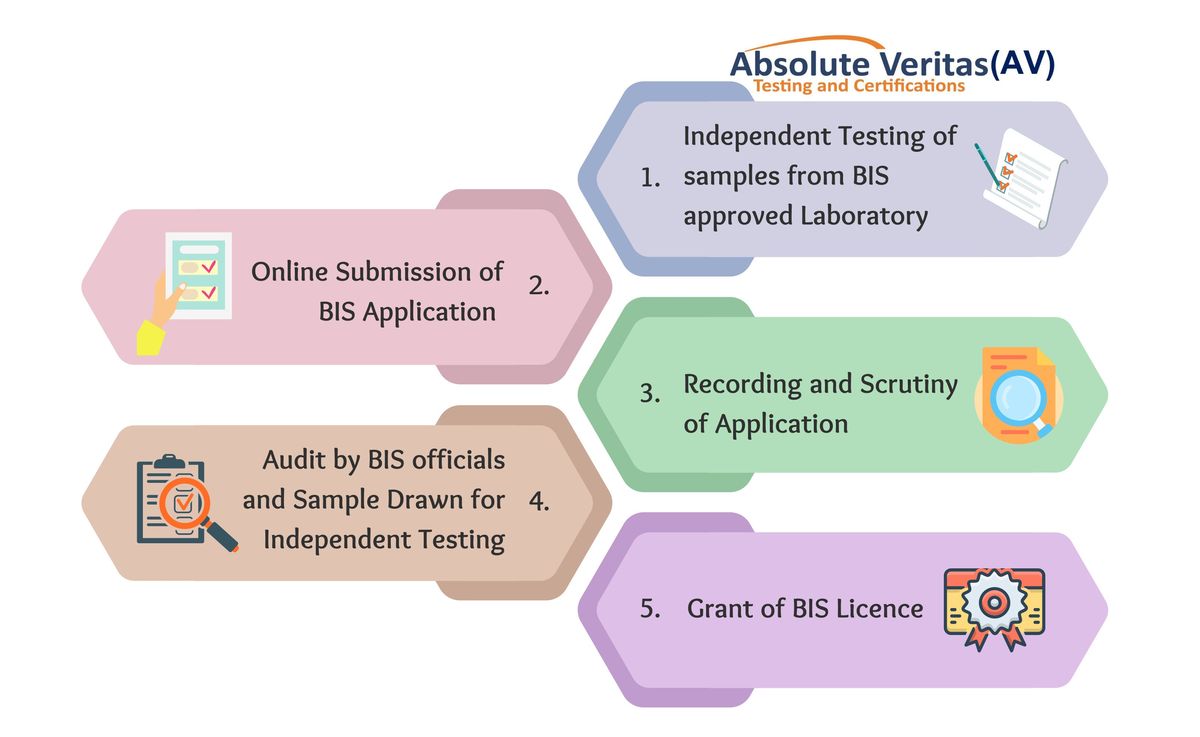
BIS Certification Timeline for Polyethylene Material for Moulding and Extrusion
The estimated duration for securing BIS certification for polyethylene material for moulding and extrusion under IS 7328 : 2026, varies based on the manufacturer’s location and certification route. The typical timelines are outlined below:
| Indian Manufacturers | BIS certification is generally completed within approximately 30 days, subject to successful product testing and documentation verification. |
| Foreign Manufacturers (FMCS Route) | Under the BIS Foreign Manufacturer Certification Scheme (FMCS), the process usually takes around 180 days, considering factory inspection, sample testing, and regulatory approvals. |
BIS CERTIFICATION PROCESS
Acquiring a BIS license requires a comprehensive review of manufacturing infrastructure, quality control abilities, testing resources, and production procedures. This thorough assessment guarantees that products not only adhere to regulations but also prioritize consumer safety and reliability.
NOTE:
For comprehensive guidance on the BIS ISI Certification process, please explore:
WHY USE ABSOLUTE VERITAS?
Absolute Veritas is a prominent organisation from the private sector of India primarily dealing with the Inspection, Testing, Audits, Certification of products& consulting services to various industries in India and worldwide, ensuring compliance with regulatory standards and industry requirements. Offering a comprehensive range of services including product certification, testing, training, auditing, and compliance services, Absolute Veritas helps manufacturers and importers achieve higher production efficiency and quality standards.
Absolute Veritas (BIS Consultant) will handle end to end pre-registration request, sample preparation, documentation, testing and application process for ISI Mark Certification
For any questions regarding the most recent update on ISI Mark registration licenses, please reach out to us via email at cs@absoluteveritas.com
Frequently asked questions (FAQ)
What types of Polyethylene are covered under this standard?
The standard covers Low Density Polyethylene (LDPE), Linear Low-Density Polyethylene (LLDPE), and High Density Polyethylene (HDPE) materials and compounds supplied in granular, pellet, or powder form for moulding and extrusion.
Which BIS standard governs Polyethylene Material for Moulding and Extrusion?
It must comply with IS 7328 : 2026, which also now incorporates the food, pharmaceutical, and drinking water contact safety requirements previously specified separately under IS 10146.
Is BIS certification mandatory for this product?
Yes. Polyethylene Material for Moulding and Extrusion is covered under a dedicated Quality Control Order issued by the Department of Chemicals and Petrochemicals, making ISI Mark certification mandatory for manufacture, sale, and import in India, subject to specified exemptions for certain grades.
Who is responsible for obtaining BIS certification?
The responsibility lies with the manufacturer—whether located in India or overseas. Importers and brand owners must ensure that the manufacturing unit holds a valid BIS license.
Are the previous IS 7328 : 2020 and IS 10146 – 1982 standards still valid?
IS 7328 : 2026 was established on 21 July 2026. Both the earlier IS 7328 : 2020 and IS 10146 – 1982 continue to remain in force alongside it until 21 January 2027, after which they stand withdrawn.
BIS BLOGS
.png)
Guide to BIS CRS Registration for Products in India
The Bureau of Indian Standards (BIS) and its Compulsory Registration Scheme (CRS) play a vital role in ensuring the quality...
Read More.png)
BIS Registration Renewal: A Complete Guide
The BIS CRS (Bureau of Indian Standards/Compulsory Registration Scheme) outlines mandatory requirements for both domestic...
Read More
BIS CRS Labelling Guidelines
Under the BIS-CRS Labelling Scheme, which currently covers 78 mandatory product categories, all products must receive...
Read More%20Compliance%20Needed%20for%20Analog%20CCTV%20Cameras.png)
No Essential Requirement Compliance Needed for Analog CCTV Cameras
As per recent notification dated 12th March 2025, the Ministry of Electronics and Information Technology (MeitY) has...
Read More
Updated BIS Implementation Guidelines for IS 61683 Standard
The Bureau of Indian Standards (BIS) has released revised implementation guidelines for IS 61683, the Indian Standard...
Read More
BIS Implements IS 16270 for Solar PV Batteries
The Bureau of Indian Standards (BIS) has released updated implementation guidelines for IS 16270:2023, a crucial standard...
Read More
Share this Post
 LinkedIn
  WhatsApp
  Facebook
 CONTACT US

 ❮
❮