Tel: 0129-4001010 Phone: +91 730 321 5033
Email: cs@absoluteveritas.com

BIS Certification For Solar Flat Plate Collector for Solar Water Heating Systems IS 12933 (Part 1 & 2):2003
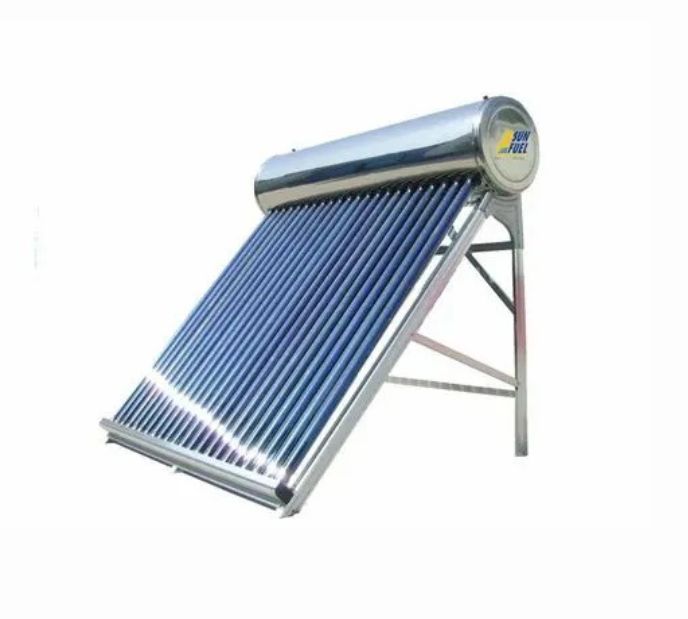
In today's competitive landscape, maintaining market presence without a certified, high-quality product can be challenging. Obtaining a BIS license may also be essential for selling products in the Indian market. To achieve BIS certification and ensure product quality, manufacturers must adhere to the specified Indian standards.
Let's delve deeper into IS 12933 (Part 1 & 2):2003 For Solar Flat Plate Collector for Solar Water Heating Systems. These standards outline the design, materials, performance, and testing requirements for Solar Flat Plate Collectors, ensuring the collectors meet stringent quality criteria and are capable of delivering reliable performance over their service life. Part 1 focuses on general requirements, including materials, construction, and dimensions, while Part 2 specifies the use of high-quality materials such as toughened glass, copper, and aluminum for durability.
Under Part 2, the cover plate must be made from tempered or toughened glass with a minimum solar transmittance of 82%, while the collector box can be constructed from materials such as aluminum alloy, fiberglass, CRCA steel sheets, galvanized steel sheets, or HRC steel sheets, fabricated using techniques like inert arc welding, gas brazing, or spot welding. The absorber — including risers, headers, and absorber sheets — can be made from materials such as copper, aluminum, stainless steel, or mild steel. The standard also emphasizes corrosion resistance and weatherproof construction, defines performance requirements including thermal efficiency and heat loss parameters, and mandates long-term durability testing to ensure reliability.
KEY HIGHLIGHTS
| Product Name | Solar Flat Plate Collector for Solar Water Heating Systems |
| Applicable Indian Standard | IS 12933 (Part 1 & 2):2003 |
| Applicable Certification Scheme | Product Certification Scheme (ISI Mark Scheme) Scheme 1 - Schedule 2 |
| Compliance Requirement | Mandatory |
| QCO Link | Quality Control Order – Part One | Quality Control Order – Part Two |
Tests
Mandatory Tests:
-
Solar Transmittance Test (Cover Plate)
-
Thermal Efficiency Test
-
Heat Loss Parameter Test
-
Weatherproofing/Corrosion Resistance Test
-
Long-Term Durability Test
-
Material Composition Verification (Absorber, Collector Box)
Optional Tests:
-
Weld Quality Inspection
-
Dimensional Accuracy Check
Benefits of Obtaining ISI Mark for Solar Flat Plate Collector for Solar Water Heating Systems
Here are the key benefits of getting ISI Mark certification:
-
Government Quality Assurance: Getting the ISI mark for IS 12933 helps with safer structural applications, business growth, and customer satisfaction.
-
Mandatory Compliance: Products covered under this order must conform to the relevant Indian Standard, bear the BIS Standard Mark, and manufacturers must obtain a BIS license to use the ISI Mark on their products.
-
Enhanced Market Competitiveness: The product comes under Scheme 1 certification, which helps manufacturers grow their businesses by assuring customers of good product quality and compliance with national standards.
-
Regulatory Oversight: The Bureau of Indian Standards, in consultation with the Ministry of New and Renewable Energy, conducts market surveillance to ensure compliance with the Indian Standard for goods bearing the Standard Mark.
-
Export Flexibility: This rule does not apply to products meant solely for export, and goods or articles meant for sub-assemblies of exported items are also exempt.
PROCESS FOR BIS ISI MARK CERTIFICATION
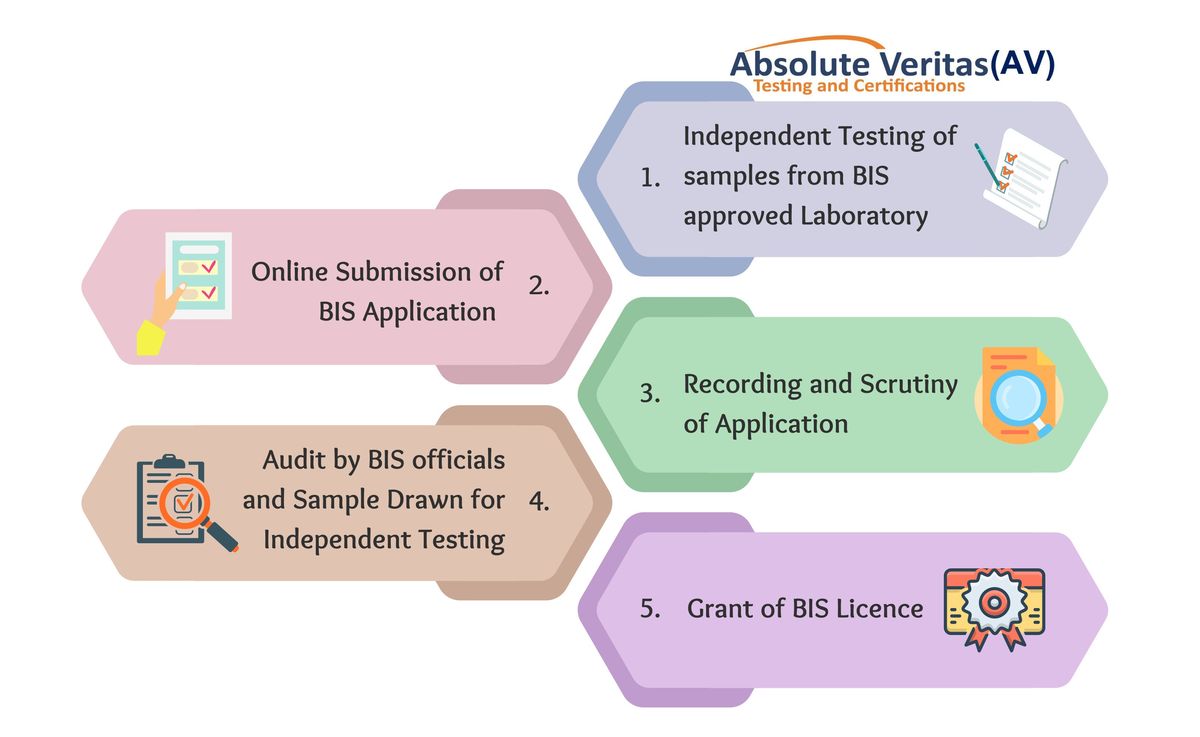
BIS Certification Timeline for Solar Flat Plate Collector for Solar Water Heating Systems
The estimated duration for securing BIS certification for solar flat plate collectors under IS 12933 (Part 1 & 2):2003 varies based on the manufacturer’s location and certification route. The typical timelines are outlined below:
| Indian Manufacturers | BIS certification is generally completed within approximately 30 days, subject to successful product testing and documentation verification. |
| Foreign Manufacturers (FMCS Route) | Under the BIS Foreign Manufacturer Certification Scheme (FMCS), the process usually takes around 180 days, considering factory inspection, sample testing, and regulatory approvals. |
BIS CERTIFICATION PROCESS
Acquiring a BIS license for this product involves registering an account with BIS via the web portal, filing an application containing details about the production unit, product, and producer, and uploading supporting documents including factory registration, raw material test reports, process flow charts, and quality control plans. BIS officers then conduct a factory inspection to evaluate quality control and manufacturing processes, and product samples are submitted for examination at a BIS-approved laboratory.
NOTE:
For comprehensive guidance on the BIS ISI Certification process, please explore:
WHY USE ABSOLUTE VERITAS?
Absolute Veritas is a prominent organisation from the private sector of India primarily dealing with the Inspection, Testing, Audits, Certification of products& consulting services to various industries in India and worldwide, ensuring compliance with regulatory standards and industry requirements. Offering a comprehensive range of services including product certification, testing, training, auditing, and compliance services, Absolute Veritas helps manufacturers and importers achieve higher production efficiency and quality standards.
Absolute Veritas (BIS Consultant) will handle end to end pre-registration request, sample preparation, documentation, testing and application process for ISI Mark Certification
For any questions regarding the most recent update on ISI Mark registration licenses, please reach out to us via email at cs@absoluteveritas.com
Frequently asked questions (FAQ)
What's the difference between IS 12933 Part 1 and Part 2?
Part 1 focuses on general requirements including materials, construction, and dimensions, while Part 2 specifies particular materials such as toughened glass, copper, and aluminum used in the collector's components.
Is BIS certification mandatory for solar flat plate collectors?
Yes — products covered under this order must conform to the relevant Indian Standard and bear the BIS Standard Mark, with manufacturers required to obtain a BIS license to use the ISI Mark.
What materials are used for the cover plate and absorber?
The cover plate is made from tempered or toughened glass with a minimum solar transmittance of 82%, while the absorber — including risers, headers, and absorber sheets — is made from materials such as copper, aluminum, stainless steel, or mild steel.
Are exported products exempt from this requirement?
Yes — this rule does not apply to products meant solely for export, and goods meant for sub-assemblies of exported items are also exempt.
How long does certification typically take?
Approximately 30 days for Indian manufacturers and around 180 days for foreign manufacturers.
BIS BLOGS
.png)
Guide to BIS CRS Registration for Products in India
The Bureau of Indian Standards (BIS) and its Compulsory Registration Scheme (CRS) play a vital role in ensuring the quality...
Read More.png)
BIS Registration Renewal: A Complete Guide
The BIS CRS (Bureau of Indian Standards/Compulsory Registration Scheme) outlines mandatory requirements for both domestic...
Read More
BIS CRS Labelling Guidelines
Under the BIS-CRS Labelling Scheme, which currently covers 78 mandatory product categories, all products must receive...
Read More%20Compliance%20Needed%20for%20Analog%20CCTV%20Cameras.png)
No Essential Requirement Compliance Needed for Analog CCTV Cameras
As per recent notification dated 12th March 2025, the Ministry of Electronics and Information Technology (MeitY) has...
Read More
Updated BIS Implementation Guidelines for IS 61683 Standard
The Bureau of Indian Standards (BIS) has released revised implementation guidelines for IS 61683, the Indian Standard...
Read More
BIS Implements IS 16270 for Solar PV Batteries
The Bureau of Indian Standards (BIS) has released updated implementation guidelines for IS 16270:2023, a crucial standard...
Read More
Share this Post
 LinkedIn
  WhatsApp
  Facebook
 CONTACT US




 ❮
❮